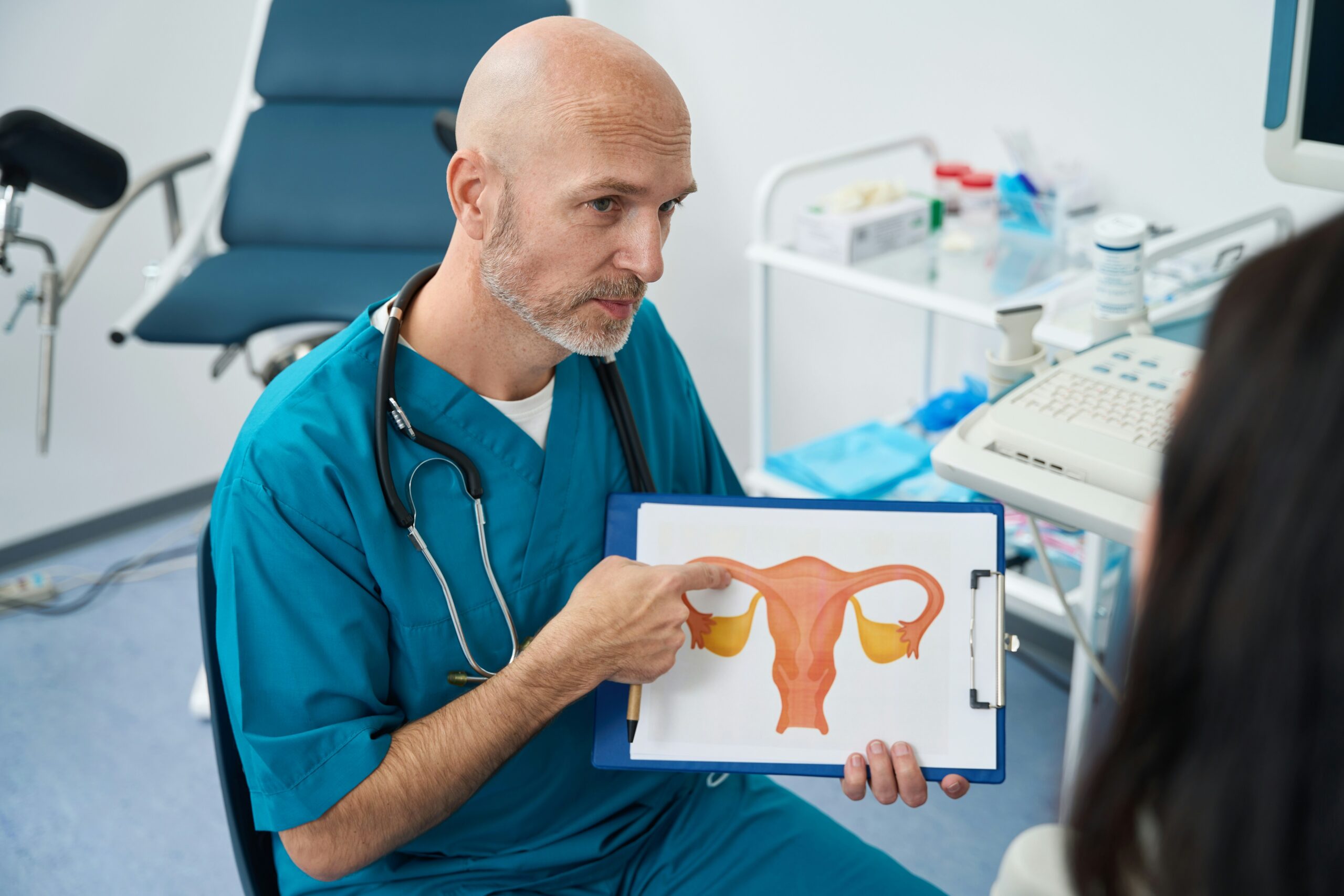
Hormone replacement therapy helps many people manage symptoms that appear when hormone levels change with age, menopause, surgery, or certain health conditions. Because hormones affect sleep, mood, bones, skin, weight, and sexual health, even small shifts can create daily discomfort. However, the right plan can ease symptoms and support long-term wellness when a qualified clinician guides care. This article explains how hormone replacement therapy works, who may benefit, what risks to consider, and how patients can make informed choices with confidence.
What Hormone Replacement Therapy Means
Hormone replacement therapy, often called HRT, adds hormones that the body no longer makes in strong enough amounts. For many women, this means estrogen therapy or a mix of estrogen and progesterone after menopause. In some cases, providers may also discuss testosterone support when symptoms and lab results show a clear need.
The goal is not to “turn back time.” Instead, hormone replacement therapy aims to restore a better balance and reduce symptoms that affect quality of life. Therefore, treatment should always be tailored to the person’s age, medical history, symptoms, and health goals.
Why People Consider Hormone Replacement Therapy
Many people seek hormone replacement therapy because hot flashes, night sweats, poor sleep, and mood swings disrupt their normal routine. These symptoms may seem minor at first, but they can affect work, relationships, exercise, and emotional health. As a result, some patients feel tired, anxious, or less like themselves.
Hormone changes can also affect vaginal comfort, sexual health, and bone strength. For example, lower estrogen may lead to vaginal dryness, painful sex, and a higher risk of bone loss. Because these concerns can build over time, early medical guidance can help patients choose safe and effective options.
Common Types of Hormone Replacement Therapy
Estrogen therapy is one of the most common forms of hormone replacement therapy. Doctors may offer it as a pill, patch, gel, cream, spray, or vaginal product. Since each option enters the body differently, the best choice depends on symptoms, risk factors, and personal comfort.
Combination therapy includes estrogen with progesterone or a progestin. This approach often matters for people who still have a uterus because progesterone helps protect the uterine lining. However, people who have had a hysterectomy may not need progesterone, so a clinician should guide the decision.
Benefits of Hormone Replacement Therapy
Hormone replacement therapy can reduce hot flashes and night sweats, which often improves sleep and daily energy. Better sleep may also support mood, focus, and motivation. In addition, many patients report fewer sudden temperature changes and more comfort during everyday activities.
This therapy may also help protect bone density in some patients. Since bone loss can increase after menopause, hormone support may lower the risk of fractures for certain people. However, providers should review bone health, family history, and other risk factors before choosing treatment.
Risks and Safety Considerations
Hormone replacement therapy may not suit everyone. Some people may face higher risks if they have a history of breast cancer, blood clots, stroke, liver disease, or certain heart conditions. Therefore, a full health review should come before any prescription.
The dose, route, and timing also matter. For example, a patch may carry different risks than an oral pill for some patients. Because of this, many clinicians use the lowest effective dose for the shortest practical time while still treating symptoms well.
Who May Be a Good Candidate
A good candidate for hormone replacement therapy often has moderate to severe symptoms that affect daily life. People near the start of menopause may benefit more than those who begin therapy many years later. Still, each case requires a personal review, as age alone does not tell the full story.
A clinician may ask about periods, sleep, mood, hot flashes, sexual health, family history, and current medications. They may also check blood pressure, weight, breast health, and other key markers. With this information, the provider can decide whether hormone replacement therapy makes sense.
How Doctors Personalize Treatment
Personalized hormone replacement therapy starts with a clear conversation about symptoms and goals. Some patients mainly want relief from hot flashes, while others need help with vaginal dryness, sleep problems, or bone health. Because people have different needs, a standard plan may not work for everyone.
Doctors may adjust the dose or delivery method over time. For instance, a patient may start with a low-dose patch and later change based on symptom relief or side effects. Regular follow-ups help keep treatment safe, useful, and aligned with the patient’s health.
Lifestyle Habits That Support Hormone Health
Healthy habits can improve the effectiveness of hormone replacement therapy. Regular exercise supports heart health, bone strength, sleep, and mood. In addition, strength training can help protect muscle and bone as hormone levels change with age.
Food choices also matter. A balanced diet with lean protein, fiber-rich plants, healthy fats, and enough calcium may support better energy and bone health. Also, limiting alcohol, quitting smoking, and managing stress can reduce health risks and improve overall wellness.
Questions to Ask Before Starting Therapy
Before starting hormone replacement therapy, patients should ask what symptoms the treatment should improve and how soon changes may appear. They should also ask about side effects, warning signs, and how often follow-up visits should happen. These questions help set clear expectations from the start.
Patients should also ask whether they need estrogen alone or combination therapy. In addition, they should discuss family history, cancer screening, heart health, and risk of blood clots. With open communication, patients can make safer decisions and feel more in control.