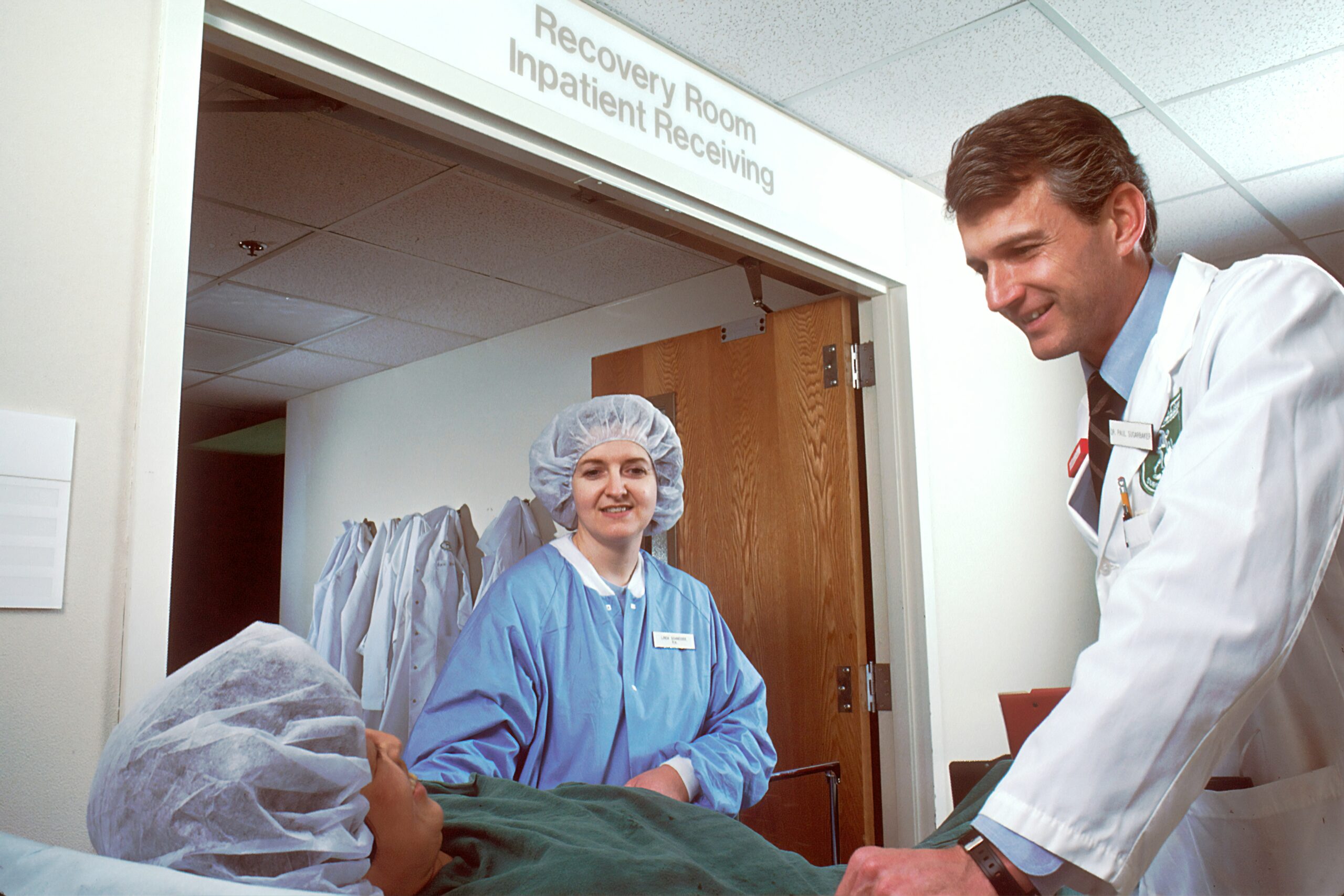
Trauma-informed care has become a vital part of modern women’s healthcare, especially as medical systems increasingly recognize the deep connection between past trauma and current health outcomes. Instead of focusing only on physical symptoms, this approach considers emotional safety, personal history, and trust between patients and providers. As a result, healthcare becomes more compassionate, respectful, and effective.
Moreover, trauma-informed women’s care supports long-term healing by reducing fear and improving communication in clinical settings. When women feel safe and understood, they are more likely to seek care early, follow treatment plans, and engage actively in their wellness journey. This shift represents a major improvement in patient-centered healthcare delivery.
Understanding Trauma-Informed Care in Women’s Health
Trauma-informed care in women’s health is a structured approach that recognizes how trauma affects physical, emotional, and psychological well-being. It applies across all healthcare services, including gynecology, obstetrics, reproductive health, and preventive screenings. Importantly, it encourages providers to ask, “What has happened to you?” instead of “What is wrong with you?”
Furthermore, this approach is built on core principles such as safety, trustworthiness, choice, collaboration, and empowerment. These principles guide every interaction between patients and healthcare professionals. Consequently, women who have experienced trauma are less likely to feel overwhelmed or re-traumatized during medical visits, leading to better overall healthcare experiences.
Building Trust Through Communication and Empathy
Effective communication is essential in trauma-informed women’s healthcare. Providers must prioritize active listening, allowing patients to express concerns without interruption or judgment. Transition words such as “therefore” and “in addition” help structure conversations clearly, but more importantly, tone and empathy build trust.
Equally important, empathy must be demonstrated consistently throughout every interaction. When providers acknowledge emotions and validate experiences, patients feel seen and respected. As a result, women are more likely to share sensitive information, which leads to more accurate diagnoses and personalized treatment plans that improve long-term health outcomes.
Creating a Safe and Supportive Clinical Environment
A safe clinical environment is one of the most important components of trauma-informed women’s care. From the waiting room to the examination room, every detail should communicate comfort, dignity, and respect. For example, clearly explaining procedures before beginning them and asking for consent at each step helps patients feel more secure.
In addition, environmental factors play a significant role in reducing anxiety. Quiet waiting areas, private consultation spaces, and respectful staff interactions contribute to emotional safety. Moreover, when healthcare teams consistently use calm tones and supportive body language, patients are more likely to feel at ease and willing to engage in their care.
Empowering Patient Choice and Autonomy
Empowering women in healthcare means ensuring they have control over their medical decisions. This includes offering options for treatments, explaining procedures in detail, and allowing patients to pause or decline interventions when needed. Even small choices can restore a sense of control that trauma may have disrupted.
Additionally, informed consent should be an ongoing conversation rather than a single signature on a form. Providers must clearly explain risks, benefits, and alternatives using simple and understandable language. Consequently, women feel more confident, respected, and involved in their healthcare decisions, which strengthens trust and adherence to treatment plans.
Integrating Trauma Awareness into Healthcare Training
Training healthcare professionals in trauma awareness is essential for implementing trauma-informed women’s care effectively. This training should include education on recognizing trauma symptoms, understanding triggers, and responding appropriately in sensitive situations. Without proper awareness, even routine procedures can unintentionally cause distress.
Moreover, ongoing education helps ensure that trauma-informed practices remain consistent across all levels of care. Workshops, simulation exercises, and case-based learning can strengthen provider skills. As a result, healthcare teams become more confident in delivering respectful, supportive, and emotionally safe care to all women, regardless of background or history.
Addressing Barriers to Implementation
Despite its benefits, trauma-informed care can be challenging to implement in busy healthcare systems. Time constraints, limited staffing, and lack of institutional training often create barriers. However, recognizing these challenges is the first step toward meaningful improvement and long-term system change.
In addition, small but strategic adjustments can significantly improve care quality without overwhelming resources. For instance, improving intake procedures, training front-desk staff in respectful communication, and incorporating brief trauma screenings can make a noticeable difference. Over time, these changes build stronger healthcare systems that prioritize patient dignity and emotional well-being.
Strengthening Trauma-Informed Practices for Better Women’s Health Outcomes
Strengthening trauma-informed women’s care requires a long-term commitment to cultural change within healthcare systems. It involves integrating patient-centered values into every level of service, from administrative policies to bedside care. As a result, healthcare environments become more supportive, inclusive, and responsive to individual needs.
Furthermore, consistent application of trauma-informed principles leads to measurable improvements in women’s health outcomes. Patients experience reduced anxiety, improved treatment adherence, and stronger trust in healthcare providers. Ultimately, trauma-informed care supports women’s healthcare empowerment, patient safety, clinical communication improvement, holistic reproductive health, emotional safety in healthcare, and patient-centered medical excellence, ensuring a healthier and more equitable future for all women.